

When venturing into the great outdoors, having the right tools can make all the difference between a successful adventure and a challenging experience. One such indispensable tool is a reliable compass. Whether you’re hiking through dense forests, camping in remote areas, or navigating while hunting, a good compass can provide the guidance you need to explore safely and confidently. In this article, we will discuss the key features of a camping survival compass, the benefits of using a compass for navigation, and tips for using it effectively.
Key Features of a Camping Survival Compass
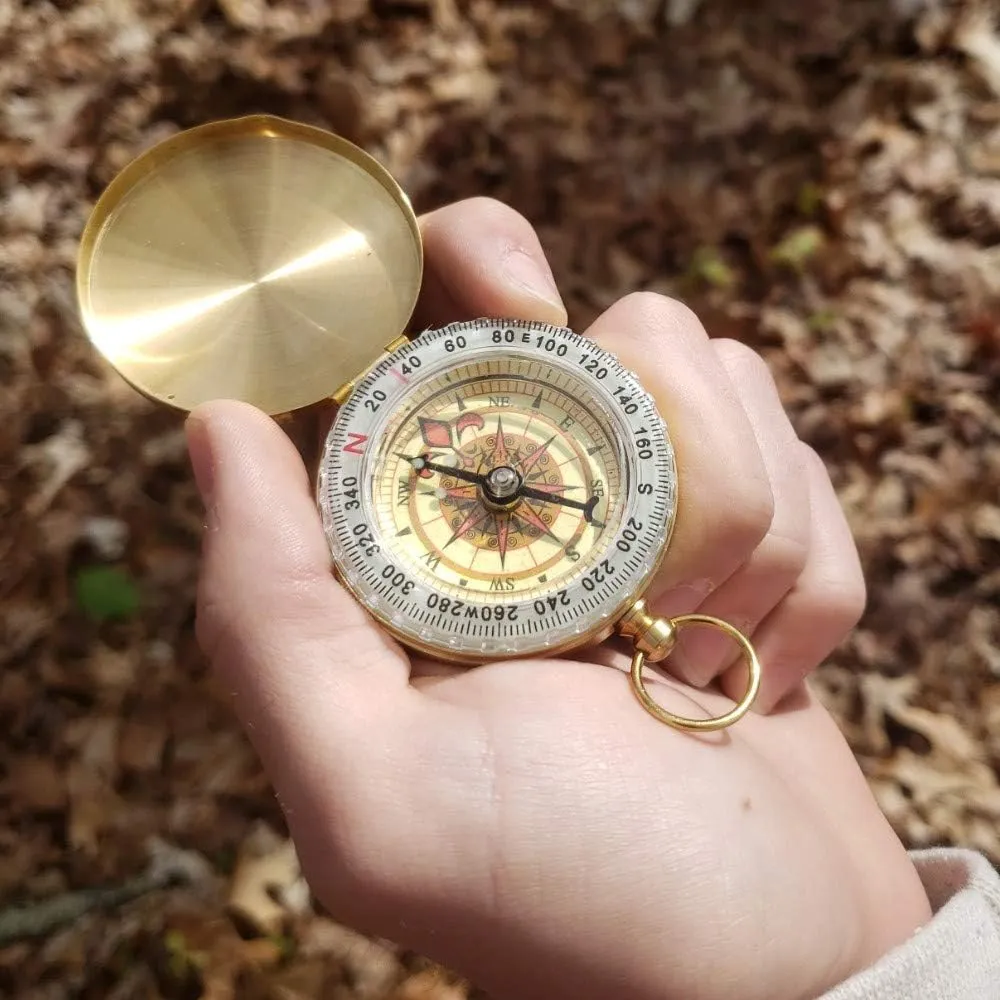
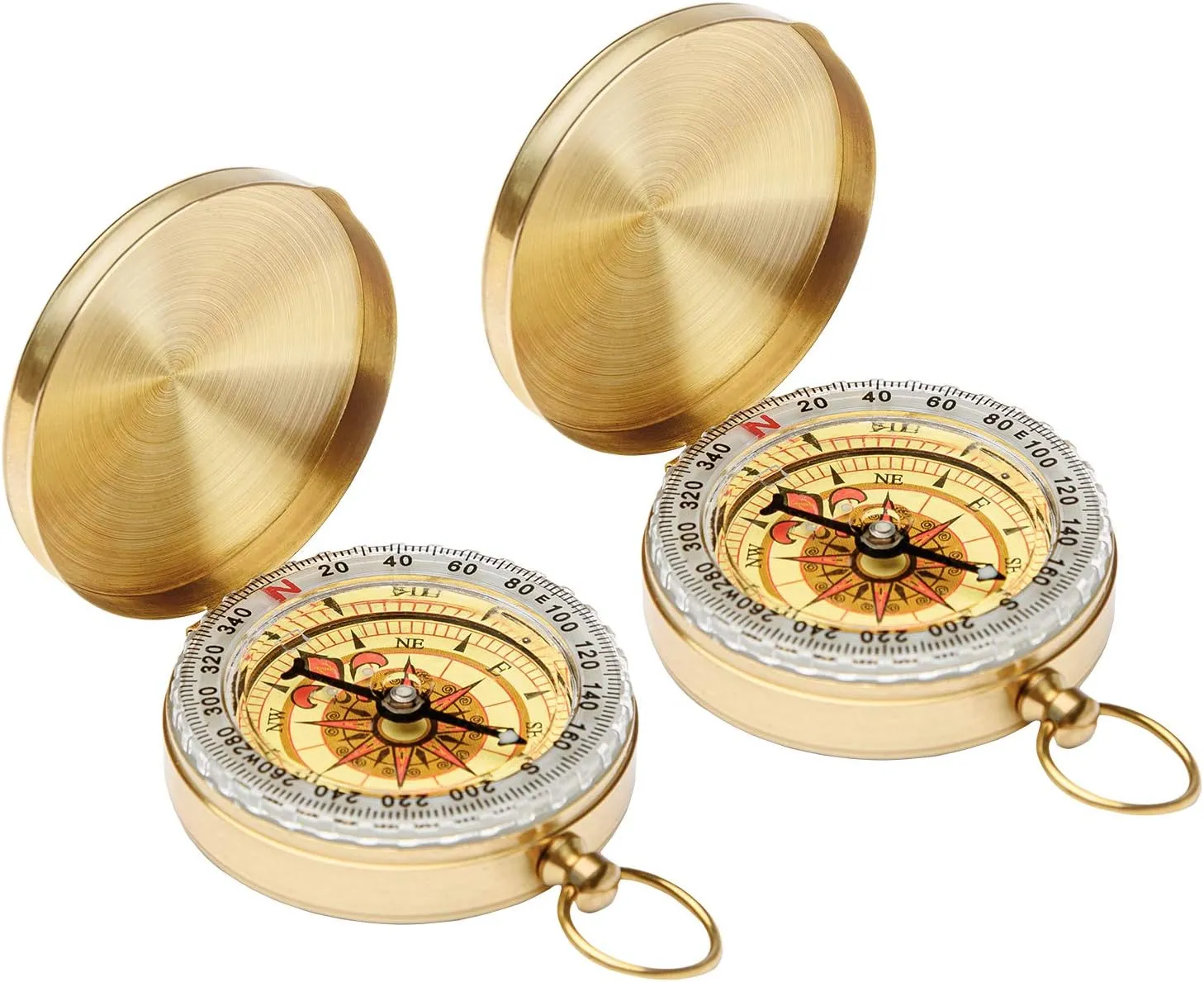
A camping survival compass typically includes several essential features that enhance its usability and effectiveness in outdoor navigation. One of the most important characteristics is its durability. A well-constructed compass should be made from robust materials that can withstand the rigors of outdoor activities. Look for compasses with a metal casing that can resist impacts and harsh weather conditions, ensuring longevity in the field.
Another crucial feature is precision. A high-quality compass should provide accurate readings, allowing users to determine their direction with confidence. Look for models that include a clear and easy-to-read dial, as well as a magnetic needle that quickly aligns with the Earth’s magnetic field. This precision is especially important in unfamiliar terrain, where accurate navigation can prevent getting lost.
Additionally, a camping survival compass should be lightweight and portable. Many outdoor enthusiasts prefer compasses that can easily fit in a pocket or attach to a backpack. This convenience allows for quick access during hikes or camping trips, ensuring that you always have navigation tools at hand when needed. Some compasses also come with additional features, such as built-in rulers or sighting lines, which can assist in more advanced navigation techniques.
Benefits of Using a Compass for Navigation
Using a compass offers several advantages for outdoor enthusiasts. First and foremost, it enhances your ability to navigate accurately. While GPS devices and smartphones have become popular navigation tools, they can be unreliable in remote areas with poor reception or when batteries die. A compass, on the other hand, relies on magnetic fields, making it a dependable tool for navigation in any situation.
Another significant benefit of using a compass is that it fosters a deeper understanding of navigation techniques. Learning to read a compass and understand its relationship with a map can greatly improve your overall outdoor skills. This knowledge not only boosts your confidence while navigating but also helps you develop a greater appreciation for the natural world around you.
Moreover, using a compass encourages mindfulness and awareness of your surroundings. When relying on a compass for navigation, you are more likely to pay attention to landmarks, natural features, and the terrain, enhancing your overall experience. This heightened awareness can lead to a more enjoyable and enriching outdoor adventure.
Tips for Effectively Using Your Compass
To ensure you get the most out of your camping survival compass, consider the following tips:
Familiarize Yourself with Your Compass: Before heading out, take some time to learn how to use your compass effectively. Understand the components, including the dial, magnetic needle, and sighting features. Practice taking readings and orienting your compass with a map.
Always Carry a Map: A compass is most effective when used in conjunction with a detailed map of the area you’re exploring. Familiarize yourself with the map’s features, including contour lines and landmarks, to improve your navigation skills.
Practice Regularly: Like any skill, using a compass requires practice. Regularly take your compass on hikes and practice navigating using a map. This will help reinforce your skills and build confidence in your abilities.
Use Land Features for Navigation: When navigating, use prominent land features (such as mountains, rivers, or trails) to help guide your direction. This can provide additional context and help you stay oriented in the terrain.
Stay Calm and Patient: If you find yourself disoriented, take a moment to breathe and assess your situation. Reorient your compass and map, and take the time to ensure you’re heading in the right direction. Panicking can lead to poor decision-making, so staying calm is crucial.
Conclusion
In conclusion, a camping survival compass is an essential tool for anyone who loves outdoor adventures. With its durable construction, precision navigation capabilities, and lightweight design, it can enhance your hiking, camping, and hunting experiences. The benefits of using a compass extend beyond mere navigation; they include developing essential outdoor skills and fostering a deeper connection with nature.
By following the tips outlined in this article, you can effectively use your compass to navigate confidently and safely during your outdoor excursions. Embrace the art of navigation, and let your compass guide you on your next adventure into the wild!